
Eventag makes brain data recorded outside the lab interpretable. We grew out of mobile EEG research in Oldenburg, and we are a small team combining neuroscience, hardware, and growth to close the gap between a signal and what caused it.

An engineer turned neuroscientist leading science and product. Nine plus years in human-computer interaction, with a background in EEG and machine learning, and experience building and scaling startups.
LinkedIn
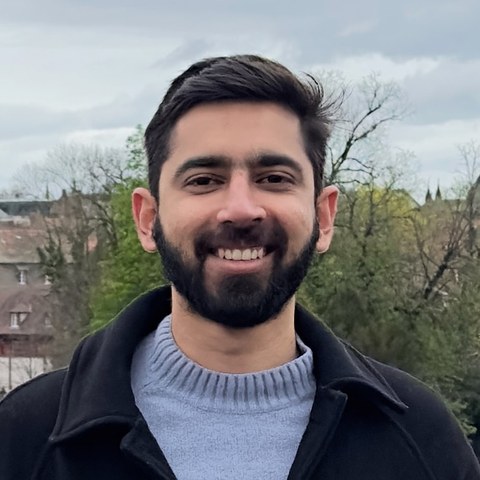
Leads growth, strategy, and operations. Seven plus years across business development, venture, and sales, with a track record of scaling early startups and building communities.
LinkedIn

Leads hardware and the device itself. Background in electronics, embedded systems, microcontrollers, and PCB design, with hands-on EEG hardware and signal-processing experience.
LinkedIn
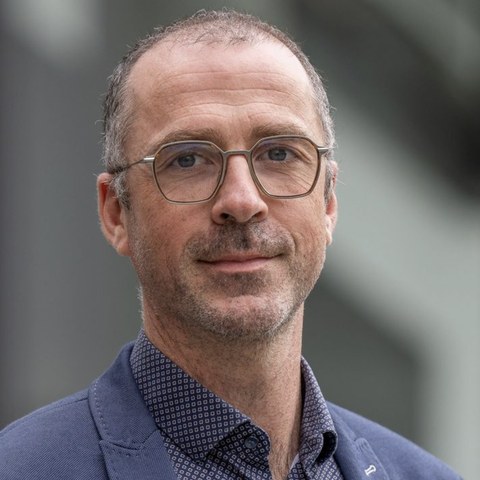
Martin holds a DFG Heisenberg Professorship and leads the Translational Psychology Group at the University of Oldenburg, studying the brain beyond the lab. An internationally recognised figure in mobile and ear-centered EEG, he co-developed the cEEGrid electrode array and advises Eventag on the scientific and technical core of its work.
LinkedInOnly event labels are stored, never raw audio or video. Eventag is built to be used in everyday and public settings without ethical compromise.
Eventag works alongside any EEG system and electrode setup. No vendor lock-in, and no replacing the hardware a lab already trusts.
We develop alongside the researchers Eventag is for, and validate our work openly, the way science is meant to be checked.
We are starting with mobile EEG because the need is sharpest there. But the same gap, a clean signal with no record of what produced it, runs across biosignals. Eventag is building the infrastructure for context-aware intelligence, the layer that lets technology understand what was actually happening, from neuroscience into neurotechnology, digital biomarkers, and adaptive environments.